We are working on our contribution to the European Commission’s call for evidence on the review of the Copyright in the Digital Single Market Directive (2019/790/EC) and a parallel legislative initiative on copyright reform, seeking feedback on the challenges and potential solutions linked in particular to the exercise of copyright and related rights in the context of technological developments.
Our response will be anchored in the following principles:
Copyright law must keep its purpose of benefiting creators, not the commercial intermediaries and platform operators that have come to dominate the licensing ecosystem
Enforcement mechanisms against piracy and AI-generated content must be proportionate
Open access to publicly funded knowledge
Transparency in AI-mediated systems
Enforcement tools must carry robust safeguards against overblocking and must be subject to independent judicial review.
Any licensing, mediation, or arbitration framework must be accessible to individual creators and small rights holders, not only collective management organisations and major industry actors.
Technical standards developed in the AI and copyright context must not mandate proprietary solutions and must be compatible with free software implementation.
Interoperability and anti-gatekeeping
We would appreciate any input or feedback you may have on these areas.
Is this the “sanitized” version, or do you want to go further and replace creators for society at large (including creators and consumers, which in our old style web 2.0 ways are supposed to be the same group)?
If we go past what might perhaps sound wise to tell the Commission: overblocking should have consequences. And of course, proportionality will mean something different to us and most other people – I would think about the value of access to culture… and ask the commission to stream football matches and host a mirror of Anna’s.
As a member of the Swedish Pirate Party board, I offer the following recommendations:
1. Limit Copyright Duration and Implement Mandatory Renewals Copyright terms should be significantly shortened and subject to a mandatory renewal process. This framework would ensure that works enter the public domain more quickly, empowering current generations to freely remix and reinterpret the cultural content they experienced during their lifetimes, rather than allowing those rights to remain locked until they have all passed away.
2. Establish an Expiration Mechanism for Orphan Works Legislation must include a provision for copyright to expire automatically when the rights holder is nonexistent or cannot be identified after a specified timeframe. This prevents works from remaining in legal limbo simply because ownership is unclear.
3. Legalize Access for Content Preservation Furthermore, as a supporter of the “Stop Killing Games” initiative and an active key participant in the game European preservation community, I urge the creation of legal pathways for individuals to download and archive older games where rights holders cannot be located. A vast trove of European creative content from the early computer and console era is currently trapped in legal stagnation. At present, access to these materials is restricted to specific research institutions and libraries, which must navigate a burdensome permission process for each item. These digital games constitute a vital part of our cultural heritage; they should not remain inaccessible due to outdated legal frameworks. We must democratize access to ensure this history is preserved and available to the public.
The original aim of copyright was not to “benefit creators”, but to encourage the spreading of knowledge. Benefitting creators was the mean, not the goal. We should keep that in mind.
I offer these recommendations to build on our core principles:
1. Set Up a “Contract Override Safeguard” for Digital Rights
Legislation needs to have a firm rule stating that private contracts and Terms of Service (EULAs) can’t override statutory copyright exceptions. Right now, digital platforms and software developers use restrictive user agreements to legally stop individuals and researchers from exercising their rights to modify, study, or back up digital content. If European law gives a citizen or a preservation community the right to access or archive a work, a corporate contract shouldn’t be allowed to rewrite public law and take those rights away.
2. Legalize the Right to Format Shifting and Platform Interoperability
We also urge creating legal frameworks that ensure consumers can modify and shift the format of legally acquired digital media. When a digital distributor shuts its servers or pulls a product from the market, users often lose access to what they’ve purchased because it’s locked behind proprietary Digital Rights Management (DRM). Citizens must have the legal right to bypass these digital locks for personal use, data portability, and device interoperability. This way, buying a digital item means true, long-term ownership rather than just a temporary, revocable lease.
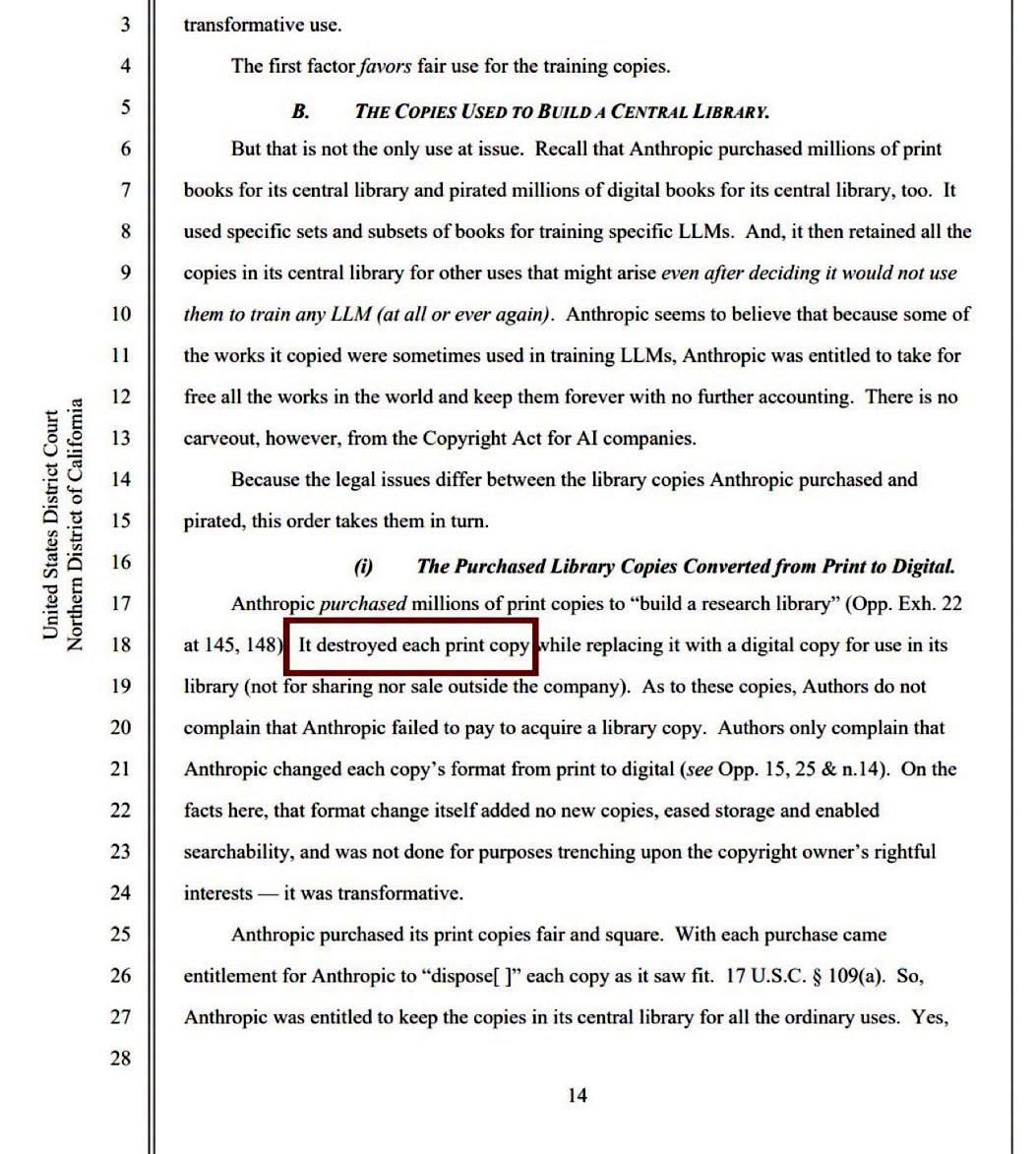
Although it’s late for the submission, we could integrate our own position considering that now copyright seems to force the destruction of books to advantage a few private companies. This is the opposite of why copyright was established in the first place.
Would you be willing to cooperate on an article on that subject?
We published one with the music industry as pivot this week, there is a pivot around the film industry as well (MPAA, DeCSS, other DRM and on streaming), books have been underexposed in that regard.